
When a storm damages your roof, a pipe bursts overnight, or a break-in leaves your storefront exposed, the difference between a minor setback and a major crisis often comes down to who you can call and how fast they respond. Property owners and homeowners alike are realizing that resilience is not just about having insurance or an emergency fund; it is about having reliable partners lined up before disaster strikes. This article walks through the practical relationships and services that help protect your property, your finances, and your peace of mind. Whether you own a single home or manage a small commercial space, understanding these building blocks can help you make smarter, more informed decisions.
What Operational Resilience Really Means for Property Owners
Operational resilience is a term borrowed from the corporate world, but it applies just as directly to homeowners and property managers. At its core, it means having the systems, relationships, and backup plans in place so that when something goes wrong, you can recover quickly without spiraling into financial or logistical chaos. This is not about predicting every possible problem but about building a foundation that can absorb shocks, whether they are physical, financial, or operational in nature.
For a property owner, this shows up in very concrete ways. It’s knowing which plumber can respond within two hours during a burst pipe emergency, rather than scrambling through online reviews at midnight. It’s having a roofing contractor already familiar with your property before a storm ever hits, so an inspection and repair estimate can happen within days instead of weeks.
Financially, resilience also means understanding your exposure before a crisis forces the issue. That could mean maintaining a repair reserve fund equal to a few months of operating costs, or knowing in advance which vendors offer financing options for large jobs like HVAC replacement or foundation work. The goal is to avoid choices made under pressure, where limited options and tight timelines almost always drive up cost.
Ultimately, resilience is measured not by whether disruptions happen, but by how quickly and smoothly you move through them. A property owner with strong vendor relationships and a clear response plan can turn a potential multi-week crisis into a manageable two-day fix.
For most property owners, resilience shows up in small, everyday decisions long before a crisis ever hits. It is choosing a reliable contractor before you need emergency repairs, or setting aside time to review your finances before tax season becomes stressful. It might mean having a plumber, electrician, and roofer already on call, rather than searching for one at 2 a.m. during a burst pipe.
It also means building in buffers ahead of time: keeping a maintenance reserve of 1-3% of a property’s value each year, scheduling routine HVAC and roof inspections, and reviewing insurance coverage before renewal deadlines sneak up. These aren’t dramatic actions, but they compound over time into fewer surprises and lower repair costs.
The goal is to reduce the number of decisions you have to make under pressure, since panic rarely leads to the best outcomes. A property owner who has already vetted two or three vendors for common repairs, for instance, can get a same-day response instead of scrambling through online reviews mid-emergency. Resilience, in this sense, is less about heroics and more about the quiet groundwork laid weeks or months in advance.
Getting Your Financial House in Order Before Trouble Hits

Financial stability is one of the biggest pillars of resilience, yet it is often the most overlooked until a problem forces the issue. Working with professional accounting services throughout the year, rather than scrambling every April, gives property owners a clearer picture of cash flow, upcoming expenses, and potential red flags. This ongoing relationship also means that if something unexpected happens, such as property damage or a sudden income change, your financial records are already organized and ready to support any claims or adjustments you need to make.
Tax season can be particularly stressful for property owners who have fallen behind on payments or made errors in previous filings. In these situations, tax relief services can help negotiate manageable payment plans, reduce penalties, or resolve disputes with tax authorities before they escalate into liens or levies. Addressing tax issues early, rather than avoiding them, is one of the clearest ways to prevent a small financial hiccup from becoming a long-term burden.
- Schedule a mid-year financial check-in rather than waiting until filing season
- Keep digital copies of receipts and invoices related to property repairs and improvements
- Ask about payment plan options if you fall behind on property tax obligations
- Review your withholding or estimated payments annually to avoid surprises
Protecting Your Property Against Break-Ins and Lockouts
Physical security is often the first thing people think of when they consider resilience, and for good reason. A property that is easy to break into, or where locks fail at inconvenient times, creates ongoing vulnerability that can lead to theft, liability issues, or simple frustration. Building a relationship with local commercial locksmiths before you have an emergency means you already know who to call for rekeying, lock upgrades, or urgent lockout situations rather than searching frantically online during a stressful moment.
Many property owners only think about locksmith services after a break-in or a lost key incident, but a proactive approach is far more effective. Scheduling periodic security assessments can reveal outdated hardware, worn-out locks, or access points that need reinforcement. This kind of preventative maintenance is inexpensive compared to the cost of a break-in or the disruption of being locked out of your own property.
- Rekey locks whenever you move into a new property or after a tenant turnover
- Upgrade to commercial-grade hardware on entry points that see heavy use
- Keep a spare key system organized and accessible only to trusted individuals
- Ask about master key systems if you manage multiple units or buildings
Maintaining the Exterior of Your Property for Long-Term Value
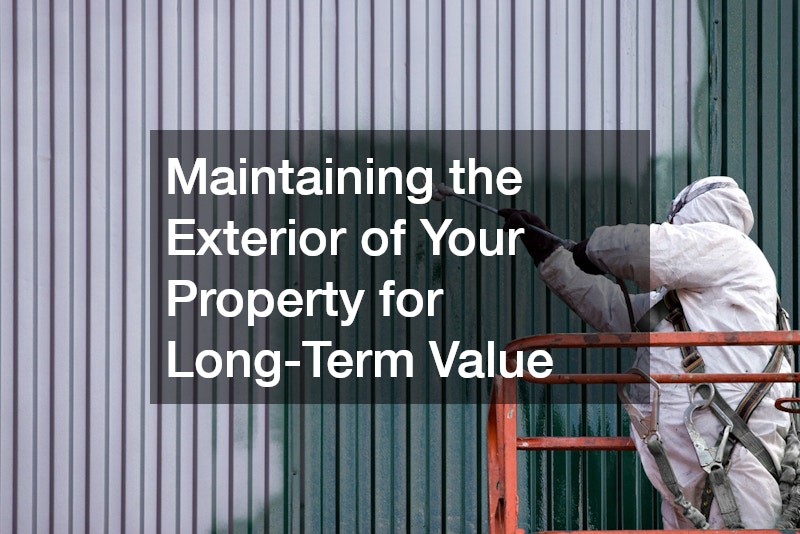
The exterior of a property is its first line of defense against weather, and it also plays a major role in maintaining value and curb appeal. Regular attention to siding, trim, and paint helps prevent moisture infiltration that can lead to costly structural repairs down the line. Hiring a team that specializes in commercial exterior painting ensures the job is done with the right materials and techniques for durability, especially in climates with harsh sun, humidity, or freezing temperatures.
Above the walls, the roof is arguably the single most important structural element protecting everything underneath it. A small leak that goes unnoticed can quickly turn into mold growth, insulation damage, or compromised ceiling structures. Establishing a relationship with a trusted commercial roofer for annual inspections means minor issues get caught and repaired before they become emergencies, which is far less disruptive and expensive than a full replacement after major damage occurs.
- Schedule exterior painting every five to seven years depending on climate exposure
- Inspect roofing materials annually, especially after severe storms
- Clear gutters and downspouts regularly to prevent water damage
- Address small cracks or peeling paint before they spread further
Keeping Supplies and Materials Moving When You Need Them Most
Whether you are managing a renovation, restocking supplies for a rental property, or coordinating deliveries for a small business on your property, logistics matter more than most people realize. Delays in receiving materials can stall repairs, push back project timelines, and create a ripple effect of frustration and added costs. Reliable freight solutions help ensure that necessary materials, whether it is lumber for a repair project or inventory for a home-based business, arrive on schedule and in good condition.
Planning ahead for logistics is especially important during peak seasons, such as spring renovation months or the lead-up to winter weatherproofing. Property owners who build relationships with dependable freight and delivery providers avoid the last-minute scramble that often comes with unreliable or unplanned shipping arrangements. This kind of foresight keeps projects on track and reduces the stress of coordinating multiple moving pieces at once.
- Order materials with buffer time built in for potential shipping delays
- Confirm delivery windows in advance, especially for time-sensitive projects
- Track shipments proactively rather than waiting for a problem to arise
- Build relationships with more than one supplier to avoid single points of failure
Planning Smooth Transportation for Gatherings and Events
Property owners who host community events, open houses, or business gatherings on their premises often overlook the transportation piece until it becomes a logistical headache. Coordinating corporate event transportation in advance ensures that guests, vendors, or staff arrive on time without parking conflicts or last-minute confusion. This is especially relevant for property managers hosting tenant appreciation events or homeowners associations organizing neighborhood gatherings.
Thinking through transportation logistics also reduces liability concerns, since a well-organized arrival and departure plan minimizes traffic congestion and safety risks around your property. Even smaller events benefit from having a clear plan for how people will get to and from the location. Taking the time to map out these details ahead of time prevents unnecessary stress on the day of the event itself.
- Confirm arrival and departure windows with any transportation provider in advance
- Designate clear pickup and drop-off zones to avoid congestion
- Communicate parking alternatives to guests ahead of time
- Have a backup plan in case of weather delays or scheduling changes
Why Cleanliness Plays a Bigger Role in Resilience Than You Think

Cleanliness might not seem like a resilience issue at first glance, but a well-maintained property is less prone to pest problems, mold growth, and slip-and-fall hazards. Partnering with a commercial cleaning company for regular upkeep, especially in shared spaces or properties with tenants, helps catch small maintenance issues before they escalate into bigger problems. Clean spaces also tend to age better, since dirt and grime can accelerate wear on flooring, fixtures, and surfaces over time.
Consistent cleaning schedules also support health and safety compliance, which matters whether you are managing a rental property or a small commercial space. Regular deep cleaning reduces allergens, prevents buildup in HVAC systems, and helps maintain a professional appearance for anyone visiting the property. Property owners who treat cleaning as a routine investment rather than an afterthought tend to face fewer surprise repairs down the road.
- Schedule deep cleaning seasonally in addition to regular upkeep
- Pay special attention to high-traffic areas prone to faster wear
- Address moisture-prone areas like bathrooms and basements promptly
- Keep HVAC vents and filters clean to support air quality
Electrical Reliability and Why It Cannot Be an Afterthought
Electrical problems are among the most dangerous issues a property owner can face, ranging from flickering lights to outdated wiring that poses genuine fire risks. Working with a licensed commercial electrical contractor for regular inspections helps catch these issues before they become emergencies, particularly in older properties where wiring may not meet current safety standards. This is not an area where cutting corners makes sense, given the potential consequences of electrical failure.
Beyond safety, electrical reliability also affects daily convenience and operational continuity, especially for properties with tenants, home offices, or small businesses on site. Power interruptions can halt work, damage sensitive equipment, and create frustration that could have been avoided with proactive maintenance. Building a relationship with a trusted electrical professional means faster response times when problems do arise, rather than searching for help during an actual outage.
- Schedule an electrical inspection every few years, or sooner for older properties
- Watch for warning signs like flickering lights or warm outlets
- Upgrade panels that are outdated or undersized for current electrical demands
- Install surge protection for sensitive electronics and appliances
Windows, Glass, and the Overlooked Details That Protect Your Property

Windows and glass surfaces do more than let in light; they play a real role in insulation, security, and overall property value. Cracked or poorly sealed windows can lead to energy loss, water intrusion, and even safety hazards if the glass is old or improperly installed. Consulting a commercial glass company for repairs or upgrades ensures that replacements meet current safety and efficiency standards, rather than simply patching a problem temporarily.
Storefronts, glass doors, and large windows are also vulnerable points for security and weather damage, making timely repairs important rather than optional. Delaying glass repairs can lead to bigger problems, such as further cracking, drafts, or even structural issues around the frame. A quick response to glass damage protects both the immediate safety of the property and its long-term value.
- Address cracked or chipped glass promptly to prevent further spreading
- Consider energy-efficient glass upgrades to reduce heating and cooling costs
- Inspect window seals annually for signs of wear or air leaks
- Prioritize storefront glass repairs quickly to maintain security and appearance
Conclusion
Building operational resilience is less about reacting to emergencies and more about the quiet, consistent decisions you make well before anything goes wrong. From financial planning to physical security, exterior maintenance, and reliable logistics, each piece works together to protect your property and reduce stress when the unexpected happens. Start by identifying which areas of your property or finances feel the least prepared right now, and take one concrete step this month to address it. Small, proactive actions today can save significant time, money, and frustration down the road.