
The hidden costs of deferred maintenance in commercial real estate are often staggering. For many property managers and building owners, facility maintenance can easily become a reactive cycle—waiting for a system to break down before allocating the resources to fix it. However, the reality of managing large-scale properties is that reacting to building failures costs exponentially more than proactive scheduling. When a critical system fails, you are not merely paying for the cost of the repair. You are absorbing the costs of emergency service premiums, potential structural damage, increased liability, and the devastating impact of operational downtime on your tenants’ businesses.
A well-maintained building operates like a finely tuned machine, where every structural, mechanical, and aesthetic component works in harmony to protect the asset’s value. Achieving this requires a transition from reactive firefighting to proactive management. It demands a rigorous, calendar-based approach to property inspections that catches microscopic vulnerabilities before they evolve into catastrophic, budget-breaking disasters.
This guide provides a thorough breakdown of the non-negotiable inspections property managers and owners must conduct to keep their buildings safe, compliant, and profitable year-round. By understanding the specific mechanisms of how buildings degrade—and the precise preventative actions required to halt that degradation—you can protect your investments and ensure uninterrupted operations.
Fortifying the Building Envelope Against Water Intrusion
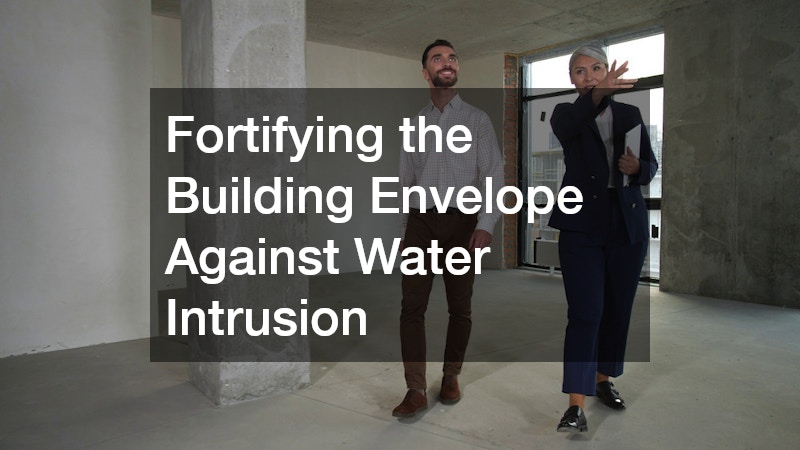
Water is the single most destructive force a commercial building will face. Unlike a sudden structural failure, water intrusion is often an insidious process, slowly rotting materials, degrading insulation, and creating environments ripe for hazardous mold growth long before a visible drip appears on an interior ceiling. Protecting the building envelope requires constant vigilance and an understanding of how seasonal shifts impact exterior materials.
Schedule Bi-Annual Membrane and Flashing Assessments
The roof of a commercial property takes a brutal beating from the elements. Throughout the summer, intense ultraviolet radiation bakes the roofing materials, causing them to dry out, lose elasticity, and become brittle. As temperatures plummet in the winter, these compromised materials contract, leading to micro-tears in the membrane. This constant thermal expansion and contraction is why walking the roof surface in late fall and early spring is absolutely critical.
During these walkthroughs, you must look for subtle signs of stress. Ponding water—defined as water that remains on a roof for more than 48 hours after precipitation—is a major red flag that the roof’s slope has been compromised or the drainage system is failing. You should also closely examine the flashing around HVAC units, vents, and skylights, as these penetration points account for the vast majority of all roof leaks. Because moisture can easily become trapped between the layers of a roofing system without showing exterior signs of damage, bringing in experienced commercial roofers to conduct an infrared moisture scan is highly recommended. These thermal scans can detect hidden dampness beneath the surface, allowing you to address localized vulnerabilities before the structural decking begins to rot.
When conducting your bi-annual assessment, ensure your checklist includes:
-
Inspecting all seams and transition points for separation or cracking.
-
Checking for blistering or bubbling in the membrane, which indicates trapped off-gassing or moisture.
-
Examining the condition of sealants and pitch pockets around mechanical equipment.
-
Looking for signs of biological growth, such as algae or moss, which can hold moisture against the roof surface.
Audit Your Drainage and Gutter Systems Post-Storm
Even the most robust roofing membrane will fail if the drainage system is inadequate. Flat roofs rely entirely on a network of scuppers, interior drains, and downspouts to move water off the building efficiently. If these pathways become blocked by seasonal debris like leaves, branches, or trash blown up from the street, the consequences can be immediate and severe.
Water is remarkably heavy, weighing roughly 8.3 pounds per gallon. When drains clog, thousands of gallons of water can pool on the roof, adding immense, unintended structural weight to the building. This weight can cause the roof deck to deflect or bow, creating deeper pools of water and eventually leading to a catastrophic collapse. To prevent this, it is imperative to clear all scuppers, interior drains, and downspouts immediately following heavy weather events. You should also verify that the strainers over interior drains are intact and securely fastened. Because building codes regarding water displacement are frequently updated to account for changing weather patterns, partnering with a certified commercial roofing contractor can ensure your current drainage configuration meets all local compliance standards and is properly sized to handle maximum anticipated rainfall.
Securing Access Points and Facade Elements

The exterior of your building serves as the first impression for visitors and the primary defense against the outside environment. However, access points and facade elements are highly dynamic; they feature moving parts, bear the brunt of foot traffic, and are exposed to high winds. Regular inspections of these areas are vital for maintaining energy efficiency, ensuring life safety compliance, and reducing liability.
Test High-Traffic Entrances for Alignment and Sensor Accuracy
Commercial entryways endure thousands of cycles a week. Whether your building utilizes sliding automatic glass doors, revolving doors, or heavy manual entryways, the hardware undergoes continuous mechanical stress. A monthly operational audit is necessary to catch wear and tear before it results in a complete door failure.
Begin by checking the alignment of the doors within their frames. Misaligned doors create gaps that allow conditioned indoor air to escape, forcing your HVAC system into overdrive and significantly spiking your utility costs. Furthermore, you must verify compliance with the Americans with Disabilities Act. This involves checking the opening force required for manual doors and ensuring the closing speed is slow enough to allow safe passage for individuals with mobility challenges. For automatic doors, the motion sensors and safety beams must be calibrated perfectly to prevent the door from closing on pedestrians. If you hear grinding noises from the header or notice the door stuttering along its track, it is time to call a commercial door service to replace worn rollers or realign the motor drive before the entire track assembly is permanently destroyed.
Key components to check during your entryway audit include:
-
Weatherstripping and sweeps at the bottom of the doors for air leaks.
-
The tension and fluid levels in hydraulic door closers.
-
The sensitivity and activation zones of overhead presence sensors.
-
The integrity of the panic hardware and emergency egress latches.
Inspect Exterior Shade Structures for Fabric Tear and Frame Rust
Exterior shade structures do more than enhance the curb appeal of a property; they reduce solar heat gain and protect patrons from the elements. However, these structures act like massive sails during severe weather. Wind shear can exert tremendous force on the canvas and the metal framework, gradually loosening the mounting hardware that secures the structure to the building’s facade.
Before winter and peak storm seasons arrive, you must examine the structural mounting points carefully. Look for signs of stress cracking in the masonry or rust developing on the metal brackets and bolts. Rust compromises the tensile strength of the steel, making it susceptible to snapping under pressure. Additionally, inspect the canvas or vinyl fabric for signs of UV degradation, which causes the material to become brittle and prone to tearing. Small tears should be patched immediately before high winds rip them wide open. If you discover that the primary frame feels loose or the anchor points are pulling away from the brick or stucco, do not attempt a makeshift repair. A licensed commercial awning installer must be brought in to drill new anchors and properly secure the hardware to the masonry, thereby preventing a dangerous structural tear-out.
Optimizing the Flow of Plumbing and Thermal Boundaries

Much of a building’s operational efficiency relies on systems hidden behind walls and beneath floors. Plumbing networks and thermal barriers are out of sight, which often means they are out of mind until a major failure disrupts the entire property. Proactive inspections in these areas are focused on maintaining unimpeded flow—whether that is the flow of wastewater out of the building or the prevention of heat flow through the building envelope.
Conduct Video Pipe Inspections to Prevent Catastrophic Backups
Commercial plumbing systems handle a volume of waste and water that dwarfs residential usage. Over time, the interior diameter of these massive pipes slowly chokes down due to the buildup of organic matter, mineral calcification, and grease. In older buildings, tree roots frequently seek out the moisture in sewer lines, exploiting tiny joints and expanding until they shatter the pipe entirely. Because these issues happen silently underground, a sudden sewer backup can force an immediate business closure and require extensive biohazard remediation.
To mitigate this risk, property managers should scope the main sewer and grease trap lines annually using specialized video equipment. This visual inspection allows you to see the exact condition of the pipe walls and identify early-stage root intrusions, sagging pipe bellies, or heavy grease scaling before a blockage occurs. If the video reveals significant buildup, you can proactively hire a commercial plumber to safely hydro-jet the lines. Hydro-jetting uses highly pressurized water to scour the inside of the pipes, cutting through roots and pulverizing grease, returning the plumbing infrastructure to its original capacity without damaging the pipes themselves.
When evaluating your plumbing infrastructure, pay special attention to:
-
The condition of grease traps in restaurant or cafeteria tenant spaces, ensuring they are pumped on a strict schedule.
-
Slow-draining sinks or floor drains, which are often the first indicator of a downstream partial blockage.
-
The operation of sump pumps and ejector pumps in basement levels, including testing the float switches.
-
Checking the water pressure at various points in the building to identify potential supply line scaling.
Scan Thermal Envelopes to Eliminate Hidden Energy Leaks
A building’s thermal envelope comprises the roof, walls, windows, and foundation—essentially the physical barrier between the conditioned interior environment and the unconditioned exterior. When this boundary is compromised, the financial impact is felt every month through inflated energy bills. Drafts, failing window seals, and settling insulation allow heat to escape during the winter and infiltrate during the summer.
During periods of extreme temperature variation (the dead of winter or the peak of summer), utilize a thermal imaging camera to scan the interior walls, attics, and exposed ductwork. The infrared camera will clearly display cold spots or heat blooms, pinpointing exactly where your thermal boundary is failing. Often, these scans reveal that fiberglass batt insulation has settled over the years, leaving large, uninsulated voids at the top of wall cavities. If your audit reveals widespread thermal failure, consulting with specialized commercial insulation services can provide high-tech solutions. Upgrading to closed-cell spray foam, for example, not only provides superior thermal resistance but also acts as a rigid air and vapor barrier, often yielding a return on investment through energy savings in under three years while dramatically extending the lifespan of your overworked HVAC equipment.
Guaranteeing Uptime with Backup Power Systems
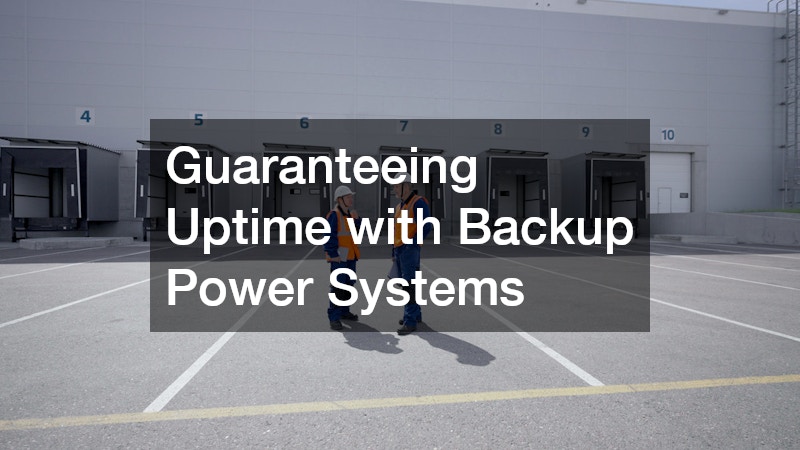
In our increasingly digital and interconnected world, power continuity is no longer a luxury—it is a baseline requirement. Medical facilities, data centers, and even standard corporate offices rely on emergency standby generators to protect critical infrastructure, preserve data, and maintain life-safety systems like emergency lighting and elevators during grid outages. However, a generator that fails to start during a blackout is worse than having no generator at all, as it provides a false sense of security.
Run Full-Load Bank Tests on Standby Power Units Annually
Many facility managers believe that the brief, weekly no-load exercise programmed into most generators is sufficient to ensure operational readiness. This is a dangerous misconception. Running a massive diesel engine without a load simply ensures that the starter motor and batteries are functioning. It does not test the engine’s ability to produce necessary voltage, nor does it allow the engine to reach its optimal operating temperature. Over time, running a diesel engine without a load causes “wet stacking”—a condition where unburnt fuel and carbon accumulate in the exhaust system, severely crippling the engine’s performance and creating a significant fire hazard.
To guarantee your system can handle the building’s maximum electrical demand, you must simulate a complete power outage by running a full-load bank test annually. This involves connecting the generator to an artificial load that safely pushes the engine to its maximum rated capacity for several hours. This process burns off accumulated carbon, tests the cooling system under stress, and verifies the integrity of the alternator. Because this procedure involves manipulating massive amounts of electrical current and transferring power away from the main grid, a certified commercial generator repair technician must oversee the load bank test to prevent accidental grid feedback, equipment damage, or electrocution.
Your generator maintenance checklist should also include:
-
Inspecting battery terminals for corrosion and testing the specific gravity of the battery acid.
-
Checking the block heater to ensure it is keeping the engine block warm for rapid starting.
-
Examining all belts and hoses for dry rot or cracking.
-
Verifying that all air intake louvers open automatically when the system engages.
Sample and Polish Stored Diesel to Prevent Sludge Buildup
The Achilles’ heel of any standby power system is the fuel that runs it. Diesel fuel is not a stable, long-term storage commodity; it degrades rapidly over time. As diesel sits stagnant in a storage tank, it is subjected to temperature fluctuations that cause condensation to form inside the tank. This water sinks to the bottom, creating a breeding ground for microbial growth, commonly referred to as “diesel bug.” As these microbes multiply and die, they create a thick, black sludge that will instantly clog the generator’s fuel filters, starving the engine and causing it to shut down exactly when you need it most.
To prevent this, you must test the backup fuel tank every six months. Extract samples from the very bottom of the tank to check for water separation, sediment, and biological contamination. If the fuel appears cloudy, dark, or contains visible particulates, immediate intervention is required. Rather than paying to dispose of thousands of gallons of bad fuel, you can employ mechanical and chemical interventions. Expert commercial fuel services utilize mobile filtration units to draw the diesel out, run it through a series of multi-stage centrifuges and microscopic filters to remove the water and sludge, treat it with biocides and stabilizers, and pump it back into the tank, effectively restoring the fuel to peak flammability and ensuring your building stays powered during the next major blackout.
Mitigating Liability Across Pavement and Landscaping
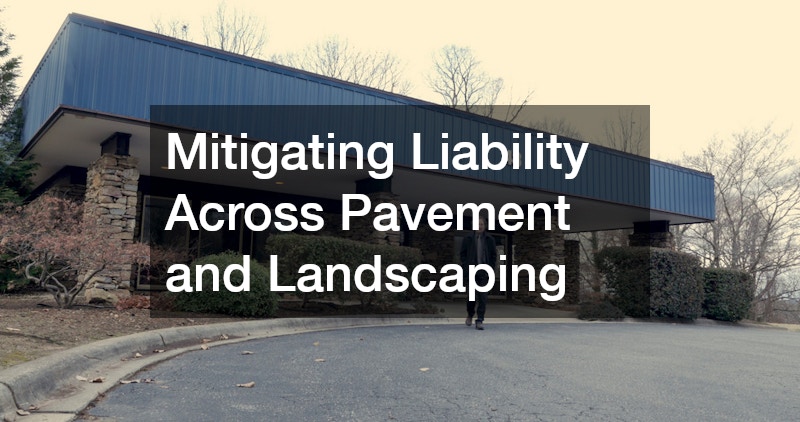
The exterior grounds of a commercial property dictate the safety of every pedestrian and vehicle that enters the premises. Poorly maintained parking lots and overgrown landscaping not only damage a brand’s reputation but also represent the highest areas of liability exposure for slip-and-fall accidents, vehicle damage, and ADA compliance violations. Systematic exterior inspections must be treated with the same urgency as interior mechanical audits.
Seal Cracks Instantly to Stop Sub-Base Erosion in Parking Lots
Asphalt is a porous material that flexes under the weight of vehicles. Over time, UV rays oxidize the asphalt, turning it from a rich black to a faded gray and making it brittle. As the surface loses its flexibility, the immense weight of commercial vehicles causes small cracks to form. If left unaddressed, these small cracks initiate a destructive chain reaction. Water seeps into the fissures and penetrates the gravel sub-base beneath the asphalt. During the winter, this trapped water freezes and expands, aggressively pushing the asphalt upward. When the ice melts, a void is left beneath the surface. The next heavy vehicle that drives over the void collapses the asphalt, creating a severe pothole.
To halt this cycle, you must walk the asphalt quarterly to identify and fill any cracks wider than a quarter-inch with a high-grade rubberized sealant. This simple act prevents water from reaching the sub-base. Furthermore, you must assess the condition of the pavement’s sealcoat and the visibility of ADA compliance striping, including crosswalks and handicap spaces. Faded striping drastically increases your liability in the event of an accident. Establishing a relationship with reputable commercial paving companies to apply a fresh sealcoat every three to five years is one of the most cost-effective strategies in property management, as it replenishes the oils in the asphalt, protects against UV oxidation, and effectively doubles the lifespan of the parking lot.
During your pavement inspections, be sure to evaluate:
-
The transition areas where asphalt meets concrete sidewalks, looking for dangerous tripping hazards.
-
The condition of concrete wheel stops, ensuring they are pinned securely to the ground and not broken.
-
The slope of the pavement around storm drains to ensure water is not pooling and creating ice patches in winter.
-
The clarity and reflectivity of all directional arrows and fire lane markings.
Prune Overhanging Branches Away from Power Lines and Roofs
Landscaping on a commercial property is constantly growing and shifting, meaning its impact on the built environment changes from season to season. Mature trees, in particular, pose a significant risk to both the structure of the building and the safety of the public. Before the arrival of heavy storm seasons, a comprehensive audit of the property’s arboriculture is mandatory.
Examine the canopy of all large trees near the building. Overhanging branches can scrape against roof edges, slowly tearing the membrane. Furthermore, the leaf litter dropped by these branches will quickly rot roof materials and block critical drainage scuppers. Branches that encroach on incoming power lines present an extreme fire hazard and threaten to knock out power to the facility during high winds. Below ground, aggressive root systems will seek out moisture under sidewalks and foundations, buckling concrete slabs and creating severe, non-compliant ADA tripping liabilities. Establishing a seasonal pruning and inspection schedule with skilled commercial landscapers ensures that the tree canopy is thinned to allow wind to pass through harmlessly, root systems are safely managed or redirected, and the overall vegetation enhances the property rather than threatening its structural integrity.
Conclusion
Conducting commercial property inspections is an exercise in foresight. It is an investment in asset preservation, risk mitigation, and operational continuity rather than just another line item on an operating expense sheet. The physical components of a building are engaged in a constant battle against friction, weather, gravity, and time. By choosing to ignore the early warning signs of degradation, you are silently consenting to the massive repair bills and liability claims that inevitably follow.
The strategy outlined above empowers you to shift from a posture of reactive firefighting to one of supreme proactive management. You now know exactly where your building is most vulnerable, how those vulnerabilities mechanically develop, and the precise steps required to stop the damage before it escalates.
Do not wait for the next heavy rainstorm to test your roof, or the next grid failure to test your generators. Take these actionable insights and draft a customized, twelve-month inspection calendar today. Assign clear responsibilities for every seasonal check, document your findings meticulously, and partner with qualified specialists for your preventative maintenance. By taking control of your property’s physical health now, you secure its profitability and safety for years to come.