A single delivery van fender-bender or a work truck rear-ending someone at a stoplight can seem like a minor headache at first. But for business owners, one vehicle incident can quickly snowball into a legal and financial crisis that threatens everything they have built. Understanding how liability works, what evidence matters, and when to get professional help can mean the difference between a quick resolution and a years-long courtroom battle. This article breaks down exactly how a single accident can expose your company to lawsuits and what steps protect you along the way.
Why Company Vehicles Create Unique Legal Exposure
When an employee is driving a company-owned or company-leased vehicle, the business itself can often be held responsible for the damages caused, even if the owner was nowhere near the scene. This legal concept, known as vicarious liability, means that courts frequently look past the driver and straight to the employer’s insurance policy and assets. Businesses that operate any kind of fleet, from a single pickup truck to a dozen delivery vans, carry this exposure every single day their vehicles are on the road.
The risk grows even larger when the vehicle involved is a specialized or heavy piece of equipment, since injuries tend to be more severe and claims more expensive. A single incident involving a flatbed hauling materials or a truck pulling roll off containers to a job site can result in injuries serious enough to justify a lawsuit well beyond what a typical auto policy covers. Business owners often underestimate how quickly medical bills, lost wages, and property damage claims can add up after just one crash.
How Fault Gets Determined After a Crash
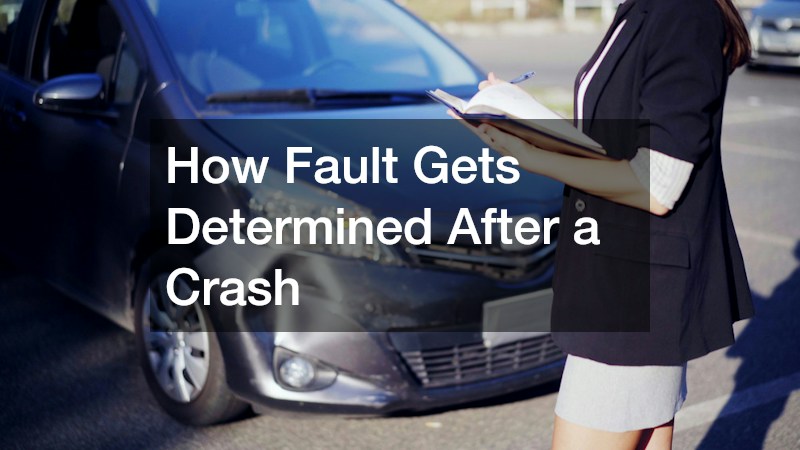
Fault in a vehicle accident is rarely as obvious as it seems in the moment, and insurance companies will investigate every angle before agreeing to pay a claim. Police reports, witness statements, traffic camera footage, and vehicle data recorders all play a role in reconstructing what actually happened. Businesses that fail to document the scene properly often find themselves at a disadvantage when the other party’s legal team starts building their case.
Comparative negligence laws in many states mean that fault can be split between multiple parties, which directly affects how much a company might owe. For example, if a company truck was speeding but the other driver ran a red light, a court might assign a percentage of blame to each side. This is one of the biggest reasons businesses should never admit fault at the scene, since those early statements can be used against them later in settlement negotiations or trial.
The Hidden Costs That Follow a Lawsuit

Many business owners assume that insurance will cover whatever happens after an accident, but policy limits are often lower than the actual cost of a serious claim. Medical expenses, long-term rehabilitation, lost income for the injured party, and pain and suffering damages can push a settlement far past what a standard commercial auto policy provides. When that gap exists, the company itself becomes the target for the remaining balance.
Legal defense costs alone can drain a small business even if the company ultimately wins the case. Court fees, expert witnesses, depositions, and the hours spent away from running the business all add up quickly. Owners should factor these hidden costs into their risk planning long before an accident ever happens, rather than discovering them during a crisis.
- Medical bills and ongoing treatment for the injured party
- Property damage beyond vehicle repair, such as damaged goods or structures
- Lost income claims if the injury affects someone’s ability to work
- Legal fees and court costs regardless of the outcome
- Increased insurance premiums following a claim or lawsuit
Industries Where Vehicle Incidents Carry Extra Risk
Certain industries face a higher baseline risk simply because of the equipment and driving conditions involved in daily operations. Agricultural and construction businesses, for instance, often move heavy loads between job sites and rely on vehicles that are harder to maneuver and slower to stop. A farm that uses hoop buildings for equipment and livestock storage may also run trucks hauling feed, machinery, or materials on public roads daily, each trip carrying its own liability exposure.
Companies in these industries should recognize that a single incident involving oversized or specialized equipment often draws more scrutiny from insurance adjusters and attorneys alike. The severity of potential injuries tends to be higher, and so are the resulting claims. Regular driver training and vehicle maintenance checks can reduce this risk considerably, but they rarely eliminate it entirely.
Steps to Take Immediately After an Incident
What a business does in the minutes and hours after a vehicle accident can shape the entire outcome of any future legal claim. Prompt documentation protects the company and gives everyone involved a clearer picture of what actually occurred. Waiting too long to gather evidence often means losing access to it altogether, as skid marks fade and witnesses forget details.
- Call emergency services immediately, even for minor-seeming collisions
- Take photos and videos of the vehicles, road conditions, and any visible injuries
- Collect contact information from witnesses before they leave the scene
- Avoid discussing fault or apologizing in a way that could be interpreted as an admission
- Notify your insurance provider and legal counsel as soon as possible
When to Involve Legal Representation
Not every fender bender requires a lawyer. A minor scrape in the parking lot with no injuries and a cooperative other driver can often be handled through insurance alone. But certain red flags change the calculus entirely, and knowing them in advance can save a company from costly missteps. Legal counsel should be looped in immediately when there’s any bodily injury, significant property damage, a commercial vehicle involved, or a disputed account of how the incident happened. Injuries are a particular trigger point: even a claim that seems minor at the scene can develop into a six-figure demand once medical treatment, lost wages, and pain-and-suffering claims enter the picture. A disputed account — conflicting witness statements, unclear fault, or a police report that seems off — also signals that the company needs its own advocate rather than relying solely on the insurer’s version of events. A car accident lawyer can help a business understand its exposure early, before statements are made or settlements offered that could work against the company later. This includes advising employees on what not to say to the other party or responding officer, preserving dashcam footage and vehicle data before it’s overwritten, and identifying whether the incident could trigger vicarious liability or negligent entrustment claims against the company itself. Waiting until a lawsuit is filed often means losing valuable time that could have been spent building a stronger defense. Evidence degrades, memories fade, and witnesses become harder to locate the longer a company waits. Involving counsel within days — not months — of a serious incident gives the business a far stronger footing if the matter escalates.
Not every incident requires immediate legal counsel, but certain triggers should prompt a call without delay: injuries requiring medical treatment, disputed fault, a commercial vehicle involved in a multi-car pileup, or any indication the other party is consulting an attorney themselves. Waiting too long to involve legal representation can mean losing access to evidence, missing filing deadlines, or making uninformed statements that later hurt your defense. Choosing the right representation matters just as much as choosing to get help at all. Business owners researching their options often look for the best car accident attorney in their area, someone with a track record of handling commercial vehicle claims specifically rather than general auto cases. A quick way to vet candidates is to ask how many fleet or commercial liability cases they’ve handled in the past year and what the outcomes looked like. Experience with commercial insurance policies, fleet regulations, and corporate liability can make a significant difference in how a case unfolds. Attorneys familiar with Department of Transportation rules, driver qualification files, and hours-of-service logs will know exactly what documentation to request and how to spot gaps that could expose negligence on the company’s part. That specialized knowledge often determines whether a six-figure claim gets contained early or spirals into prolonged litigation.
What to Expect From the Claims and Legal Process
Once a claim moves forward, both sides typically exchange evidence, take depositions, and attempt to negotiate a settlement before ever stepping into a courtroom. This process can take months or even years depending on the complexity of the injuries and the number of parties involved. Business owners should expect ongoing communication requests from attorneys, insurance adjusters, and sometimes the media if the incident was particularly severe.
Many businesses choose to work with a personal injury law firm on the other side of the table, whether representing the injured party or defending against a claim brought by one. These firms often specialize in exactly this kind of litigation, understanding the medical, financial, and procedural details that come with vehicle accident cases. Having a basic understanding of this process helps business owners make informed decisions about settlement offers rather than feeling pressured into a quick resolution.
Reducing Future Liability Through Policy and Training
Prevention remains the most effective way to avoid the legal headaches that come with vehicle incidents in the first place. Clear written policies about vehicle use, driver qualifications, and maintenance schedules give a business documented proof that it takes safety seriously. This documentation can become valuable evidence if a lawsuit ever does arise, showing that the company acted responsibly rather than negligently.
Working with personal injury lawyers before an incident occurs, not just after, can help a business identify gaps in its current policies and insurance coverage. A periodic review of fleet safety protocols, combined with regular driver training refreshers, often catches small problems before they become expensive ones. Businesses that invest in this kind of proactive planning tend to recover faster and face fewer surprises when something does go wrong.
A single vehicle incident has the potential to disrupt operations, drain finances, and expose a business to years of legal complications if handled poorly. The good news is that most of this risk can be managed through clear documentation, strong internal policies, and knowing when to bring in professional legal support. Business owners who take these steps now put themselves in a far stronger position if an accident ever does occur. Taking the time to review your current practices today is a smart first move toward protecting your company tomorrow.