
A cracked sidewalk, a falling sign, or a foul odor from a neglected septic system can turn a simple visit into a serious injury or health hazard. When that happens, the question of who pays for medical bills, lost wages, or property damage becomes urgent and confusing. Property owners, maintenance contractors, and even manufacturers can all share responsibility depending on what went wrong. Understanding how liability works before an accident happens can help you protect yourself, whether you are a customer, a tenant, or a business owner trying to avoid a lawsuit.
Determining Fault for Slip and Fall Hazards
Slip and fall cases are among the most common injury claims tied to poor property upkeep, and fault usually hinges on whether the owner knew or should have known about the hazard. Courts typically look at how long a dangerous condition existed and whether reasonable steps were taken to fix or warn about it. A puddle from a leaking roof that sat for days sends a very different message than one that formed minutes before an accident. Documentation, such as maintenance logs and inspection records, often becomes the deciding factor in these disputes.
Business owners carry a legal duty to inspect their premises regularly and address hazards within a reasonable timeframe. Failing to do so can shift liability squarely onto them, even if a third-party contractor was responsible for the original repair work. Insurance companies will scrutinize whether warning signs, barriers, or prompt cleanup efforts were in place. The more proactive the response, the stronger the defense against a negligence claim.
Assessing Responsibility for Falling or Damaged Storefront Displays
When a storefront sign collapses or a bracket fails, the resulting injury or property damage can trigger claims against several parties at once. Liability often depends on who installed the structure, who was supposed to maintain it, and whether local permitting and inspection codes were followed. Many commercial property owners outsource the installation of business signs to specialized companies, which can mean the installer shares responsibility if poor workmanship caused the failure. However, once the sign is installed, ongoing maintenance duties typically fall back on the property owner or tenant leasing the space.
Weather damage, rust, and loose fasteners are common culprits behind sign-related injuries, and they are usually preventable with routine checks. Property insurance policies often require proof of regular maintenance before covering a claim, so skipping inspections can leave an owner financially exposed. A documented inspection schedule not only reduces accident risk but also strengthens any future insurance or legal defense.
- Check mounting hardware and brackets for rust or looseness every six months
- Confirm signage was installed according to local building codes
- Keep written records of all inspections and repairs
- Review lease agreements to clarify who handles sign maintenance
- Report any visible tilting or damage immediately
Clarifying Liability During Office or Facility Relocations
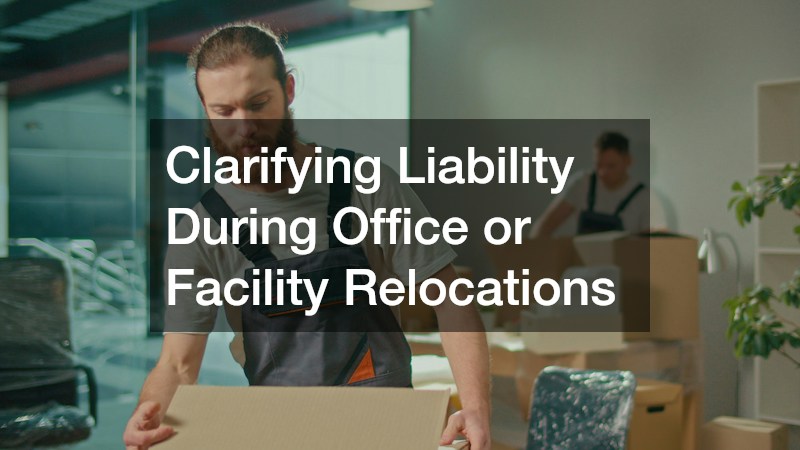
Moving a business involves more than packing boxes, and injuries or property damage during a relocation can create tangled liability questions. If a worker or bystander is hurt because equipment was left in a walkway or a loading dock was poorly managed, the business ordering the move may share blame alongside the moving company. Hiring licensed and insured commercial movers reduces this risk significantly, since reputable movers carry liability coverage for exactly these situations. Before any move begins, it is worth confirming insurance details in writing rather than assuming coverage exists.
Temporary hazards like exposed cables, propped-open doors, or stacked furniture are easy to overlook during a hectic move but can cause real harm to employees, customers, or delivery personnel. Clear communication between the moving crew and facility staff about timing and access points helps prevent accidents. Businesses should also walk through the space after the move to check for leftover debris or structural issues caused by heavy equipment.
- Verify the moving company’s liability and cargo insurance before the job starts
- Rope off active work zones to keep foot traffic away from hazards
- Inspect flooring and walls for damage once the move is complete
- Keep emergency contacts on hand in case of injury during the move
Identifying Owner Duties for Plumbing and Drainage Systems
Water damage and sanitation issues are a frequent source of liability claims, particularly in older commercial buildings where plumbing infrastructure has been neglected. Standing water, sewage backups, or persistent odors are warning signs that a system is overdue for service. Scheduling regular commercial septic system pumping is one of the most effective ways to prevent backups that can flood restrooms, parking lots, or dining areas and expose customers to health risks. Skipping this maintenance can expose an owner to claims not just for injury, but for public health code violations as well.
Local health departments often require documentation proving that septic and plumbing systems have been serviced on schedule, and failure to produce these records can worsen liability in a lawsuit. Property owners who lease space to tenants should clarify in writing who is responsible for scheduling and paying for this upkeep. A simple maintenance calendar can prevent costly surprises and protect everyone who walks through the door.
Weighing Contractor and Third Party Liability
Not every maintenance failure traces back to the property owner. When a contractor performs substandard repairs or a manufacturer supplies a defective part, liability can shift toward that third party instead. Courts examine service contracts, warranty terms, and the scope of work performed to determine who bears financial responsibility for an injury. This is why many commercial leases and service agreements include indemnification clauses spelling out who pays if something goes wrong.
Property owners should keep copies of every contract, invoice, and warranty tied to maintenance work, since these documents often become central evidence in a liability dispute. A pattern of using licensed, insured contractors also demonstrates reasonable care, which can reduce an owner’s exposure even if a contractor’s mistake caused the harm. When in doubt, consulting a local attorney about contract language before signing can prevent confusion later.
- Request proof of licensing and insurance from every contractor hired
- Keep copies of service agreements and warranty documents on file
- Review indemnification clauses carefully before signing contracts
- Document communication with contractors about reported problems
Liability for overlooked property upkeep rarely rests on one party alone, and the details of inspection history, contracts, and maintenance records often decide who pays. Whether the issue involves a falling sign, a hazardous walkway, or a neglected septic system, consistent documentation is the strongest tool any property owner has. If you have been injured due to poor maintenance, gather photos, witness information, and any available records before filing a claim. Taking these steps early can make the difference between a denied claim and a fair resolution.